

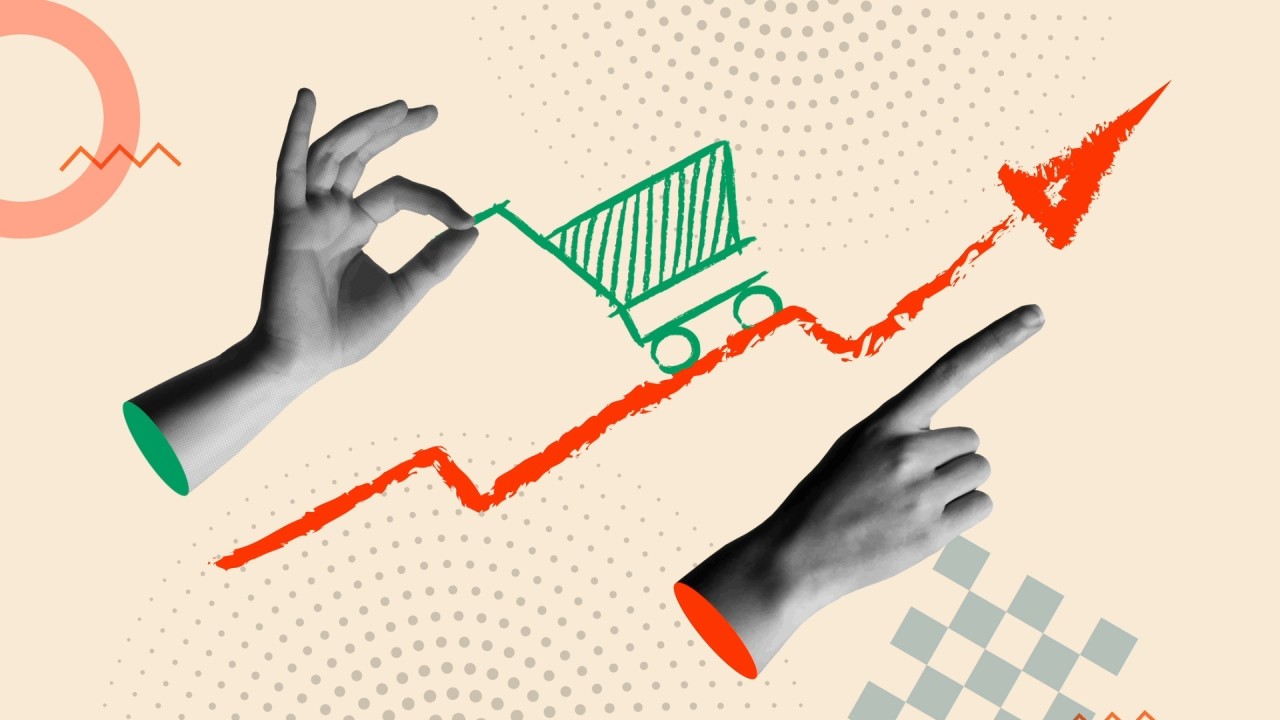
Growing an online store consistently is less about finding one dramatic sales trick and more about improving several parts of the buying experience. Traffic matters, but conversion rate, repeat purchases, product presentation, and customer retention can have an equally large effect.
Successful ecommerce growth usually comes from removing friction while giving shoppers stronger reasons to trust the store and complete a purchase.
Improve Product Pages Before Buying More Traffic
Sending more visitors to weak product pages can increase advertising costs without improving sales. Start by making existing traffic more valuable.
Use clear product titles, readable descriptions, accurate specifications, strong images, shipping details, return information, and obvious purchase buttons. Customers should not need to search several pages for basic information.
Merchants reviewing online business reference material can gather broader ideas, but product-page improvements should be based on the questions real shoppers ask. Customer emails, chat questions, and return reasons can reveal what information is missing.
Reduce Friction During Checkout
Every unnecessary checkout step creates another opportunity for abandonment. Keep forms short, display important costs early, and make the purchasing path easy to understand.
Unexpected shipping charges are particularly frustrating because shoppers discover them after investing time in the order. Clear expectations can improve the experience even when shipping is not free.
Online sellers exploring ecommerce growth resources may encounter many acquisition tactics. Before spending more to attract visitors, however, test whether the checkout process is quietly losing customers who were already ready to buy.
| Store Area | Useful Improvement | What to Watch |
|---|---|---|
| Product page | Clearer details | Information overload |
| Checkout | Fewer unnecessary steps | Missing essential data |
| Relevant follow-ups | Excessive messages | |
| Offers | Clear value | Margin erosion |
Give Customers a Reason to Return
A first purchase is valuable, but repeat customers can reduce the pressure to constantly acquire new buyers. Email is one practical way to maintain that relationship.
Send useful product guidance, replenishment reminders, relevant releases, or carefully timed offers. Avoid treating every subscriber as if they want the same message.
Store operators reading margin-focused business reading may also think more closely about the economics behind promotions. Discounts can raise order volume while reducing profit, so they should solve a specific business problem rather than becoming permanent expectations.
Test Changes One Variable at a Time
Ecommerce stores generate many possible metrics. Focus first on numbers that connect directly to purchasing behavior, such as conversion rate, average order value, cart abandonment, repeat purchases, and revenue by traffic source.
When possible, change one meaningful element at a time. If a store changes pricing, product photos, checkout design, and advertising simultaneously, it becomes difficult to understand what caused the result.
A small improvement repeated across thousands of visits can matter more than a flashy redesign with no measurable effect.
Growth Tactics That Can Hurt the Store
Constant discounts can train customers to wait for sales. Aggressive pop-ups may increase email signups while making the store harder to use. Paid advertising can scale revenue while hiding weak profitability.
Growth should therefore be judged by more than gross sales. A store that sells more but faces higher returns, rising ad costs, weak repeat purchases, and lower margins may be getting larger without becoming healthier.
Frequently Asked Questions
How can an ecommerce store increase sales without more advertising?
Improve product pages, checkout usability, email follow-up, cross-selling, customer retention, and organic search visibility. These methods can generate more revenue from visitors and customers the store already has.
What ecommerce metric should a new store watch first?
Conversion rate is useful because it shows how effectively visits become purchases. It should be viewed alongside traffic quality, average order value, acquisition cost, and profitability rather than interpreted alone.
How often should an online store run discounts?
There is no ideal frequency. Discounts work best when they support a specific goal, such as clearing inventory or encouraging a first purchase, without teaching customers that full prices are temporary.
Improve the Buying System
Consistent ecommerce growth comes from strengthening the entire path from discovery to repeat purchase. Find the weakest part of that path, improve it, measure the result, and then move to the next constraint.
More traffic can help, but a better store makes every visitor more valuable.








Leave a Reply